When Growth Creates a Different Kind of Problem
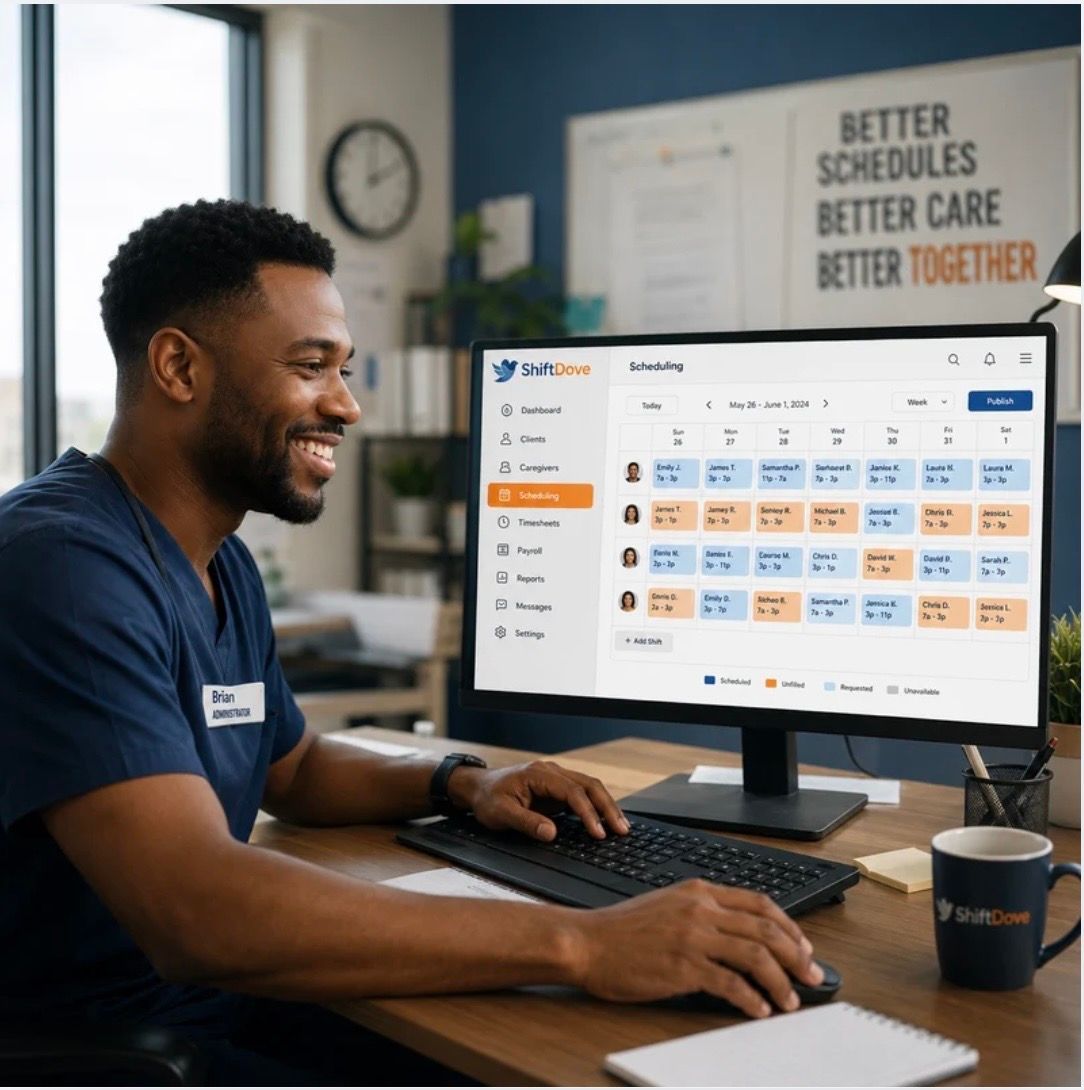
The famous Brian smiled as he looked at the latest report. His home care agency had just welcomed its 60th client. What had started as a small team had grown into an agency supporting dozens of families with more than 120 caregivers, each bringing different qualifications, experience, and areas of expertise.
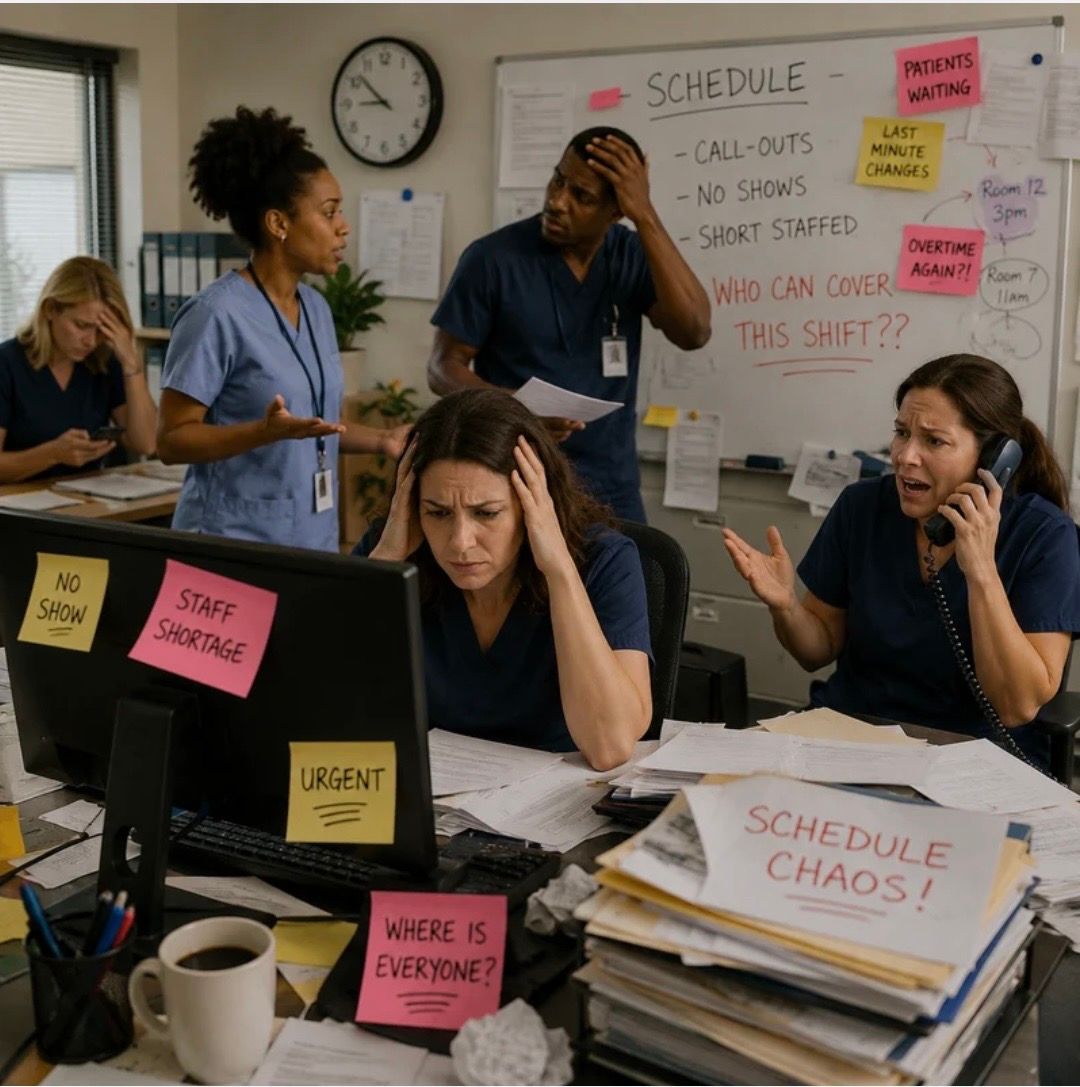
Growth has always been the goal. More clients meant the agency was making a bigger impact. But by Monday morning, that excitement had quickly given way to a different reality. One caregiver called in sick. Another requested emergency leave. A new client required someone with dementia care experience. Another family specifically requested the caregiver who had been visiting them for months.
Now several caregivers were available but none of them were the right fit for every situation. Brian wasn't struggling because he lacked clients, he was struggling because every new client made scheduling more difficult. It wasn't simply about filling another shift. It was about making the right decision.

Scheduling Isn't About Filling Empty Shifts
Most people think scheduling is simply placing names into available time slots, in reality, that's only a small part of the job. The real challenge is deciding who should be assigned to each visit. Every scheduling decision has consequences.
Assign the wrong caregiver, and continuity of care is interrupted. Ignore travel distance, and valuable hours are lost on the road. Overlook qualifications, and the quality of care may suffer. Disregard caregiver preferences, and job satisfaction can begin to decline.
What appears to be one simple decision is actually several decisions happening at the same time. For growing home care agencies, scheduling becomes the point where client needs, caregiver availability, qualifications, travel time, compliance requirements, workforce utilization, and operational efficiency all come together.
Balancing those priorities manually becomes increasingly difficult as an agency grows.
When Scheduling Breaks Down, Everyone Feels It
Scheduling affects much more than the calendar. Clients notice when familiar caregivers are constantly replaced. Trust takes time to build, and frequent changes can make the care experience feel less personal.
Coordinators spend less time planning proactively and more time responding to last minute changes, unexpected absences, and scheduling conflicts. Caregivers experience inconsistent routines, unexpected travel, and frequent adjustments that can make an already demanding role even more challenging.
When scheduling becomes reactive, everyone throughout the agency feels the impact.
Growth Changes the Rules
Many home care agencies begin with tools that feel perfectly adequate.
a.) A spreadsheet.
b.) A few phone calls.
c.) Text messages.
d.) An experienced coordinator who knows every caregiver and every client by name.
For a smaller agency, that approach can work remarkably well. But growth changes the rules. More clients mean more visits, more caregivers, more availability to track, more qualifications to consider, more requests to accommodate, more last minute adjustments.
Eventually, scheduling stops being something one person can simply remember and becomes a continuous matching exercise where every decision influences another.
Smarter Scheduling Starts With Better Decisions
At ShiftDove, we believe intelligent scheduling should do more than automate tasks, it should help coordinators make better decisions while keeping them firmly in control.
Technology should support human judgement, not replace it.
That is why ShiftDove introduced an intelligent scheduling assistant powered by AI. So instead of expecting coordinators to manually compare dozens of variables before assigning every shift, the system helps evaluate factors such as caregiver skills, availability, workforce utilization, and scheduling requirements to recommend stronger matches.
The coordinator still makes the final decision. The AI simply reduces the administrative burden, helping agencies manage growing workloads with greater confidence and consistency.
What Every Great Schedule Protects
Continuity of Care;
Clients gain confidence when they see familiar caregivers who understand their routines, preferences, and individual needs and strong care relationships are also then built over time.
Protecting these relationships starts with thoughtful scheduling, not chance.
Matching the Right Skills;
Availability alone should never determine an assignment. The best schedules consider the caregiver's qualifications, experience, and suitability for each client's unique care requirements.
Better matches create better
Respecting Caregiver Preferences;
Caregivers perform at their best when schedules acknowledge their availability, preferred working patterns, and practical realities.
Schedules that work for caregivers are more likely to create stability for clients as well.
Building for Sustainable Growth
Brian eventually realized that his agency didn't need another spreadsheet. It didn't need more phone calls, and it certainly did not need more coordinators trying to keep hundreds of scheduling decisions in their heads every single day.
It needed a better way to support the people already responsible for making those decisions. That’s when Brian discovered ShiftDove.
Not as another scheduling application, but as a smarter way to coordinate care.
By combining intelligent scheduling with AI-assisted recommendations, ShiftDove helps agencies reduce manual effort while keeping coordinators in control of every important decision.
For Brian, it wasn't simply about filling more shifts.
It was about building an agency that could continue growing without sacrificing the structure, consistency, and quality of care that made families choose his agency in the first place.
Because intelligent scheduling isn't about replacing people.
It's about giving them better tools to deliver better care.